

The Call for Proposals is open for the Seventh Annual Connected Learning Summit, taking place October 5–10, 2025! CLS invites submissions of Research Papers and Showcases that focus on digital technologies for learning, educational and commercial games, Read more…
The MIT Scheller Teacher Education Program
And The Education Arcade

PLAYFUL, POWERFUL LEARNING
Our Mission
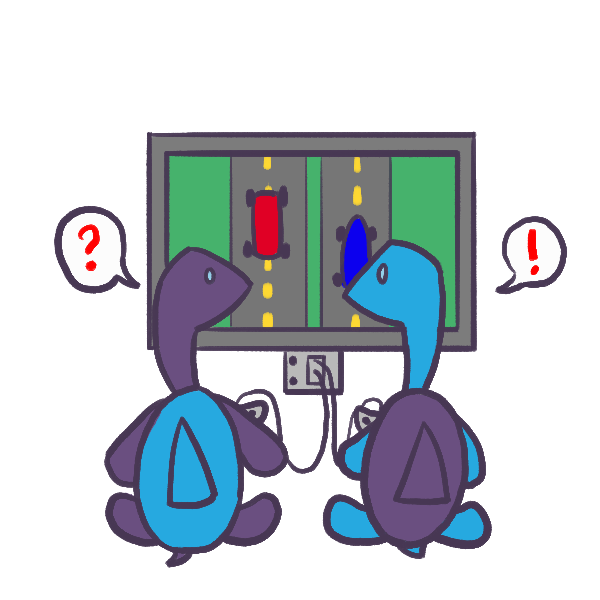
The MIT Scheller Teacher Education Program and The Education Arcade focus on creating playful, powerful learning experiences using the affordances of new educational technologies. We leverage design-based research to study and develop solutions to pervasive challenges in teaching and learning

Design and Create New Experiences
We use games and other tools to help kids experiment, explore, and build math and science skills.
Implement and Scale Experiences
We use technology to create powerful learning environments in schools, in the home, and in the community.

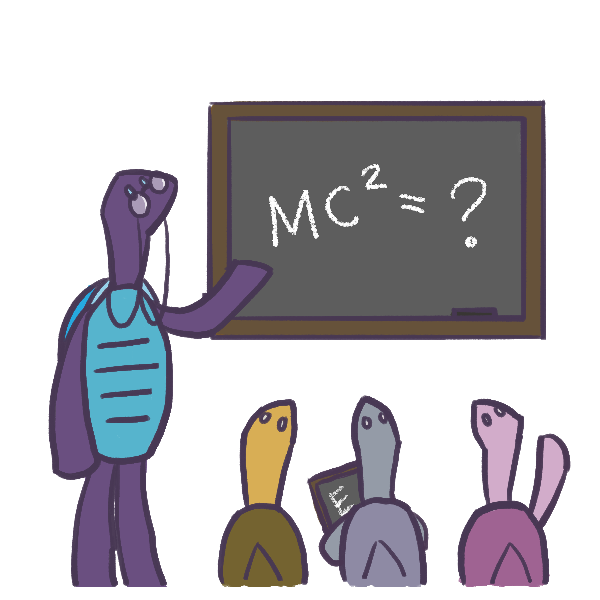
Develop Capacity for New Experiences
We work with schools, governments, NGOs and other organizations to help them learn new design and development skills and build teacher support capacity.
We Create Games, Platforms and Curriculum
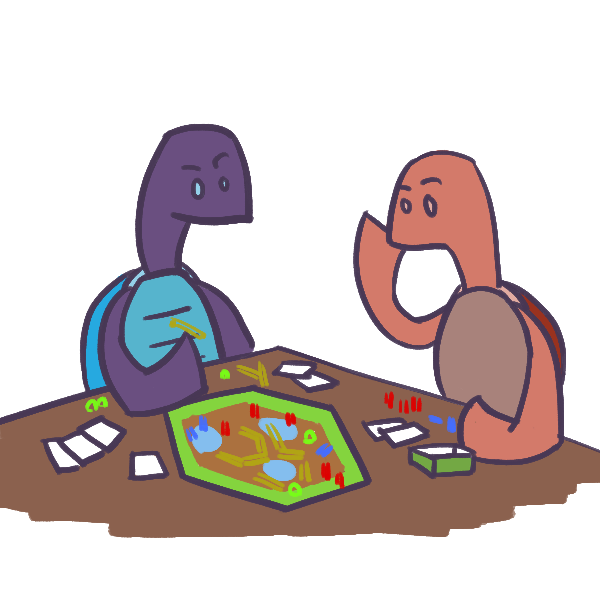
Choose a category to get started. Or see them all on the projects page.

We Teach Teachers
We offer courses for MIT students, professional development and school partnerships.
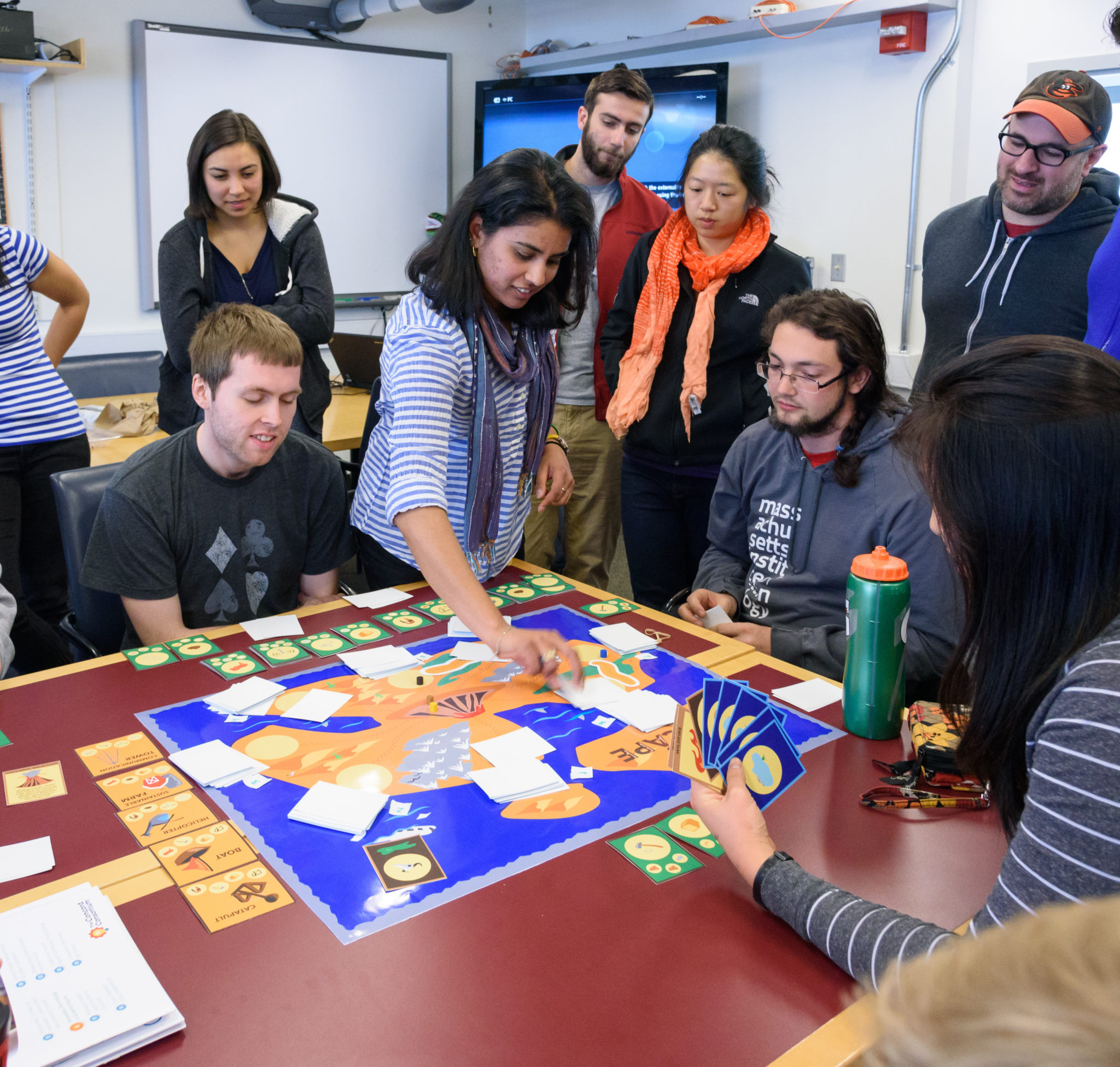
Courses
We offer courses for MIT students in education, educational technology and games. We also have online course offerings.
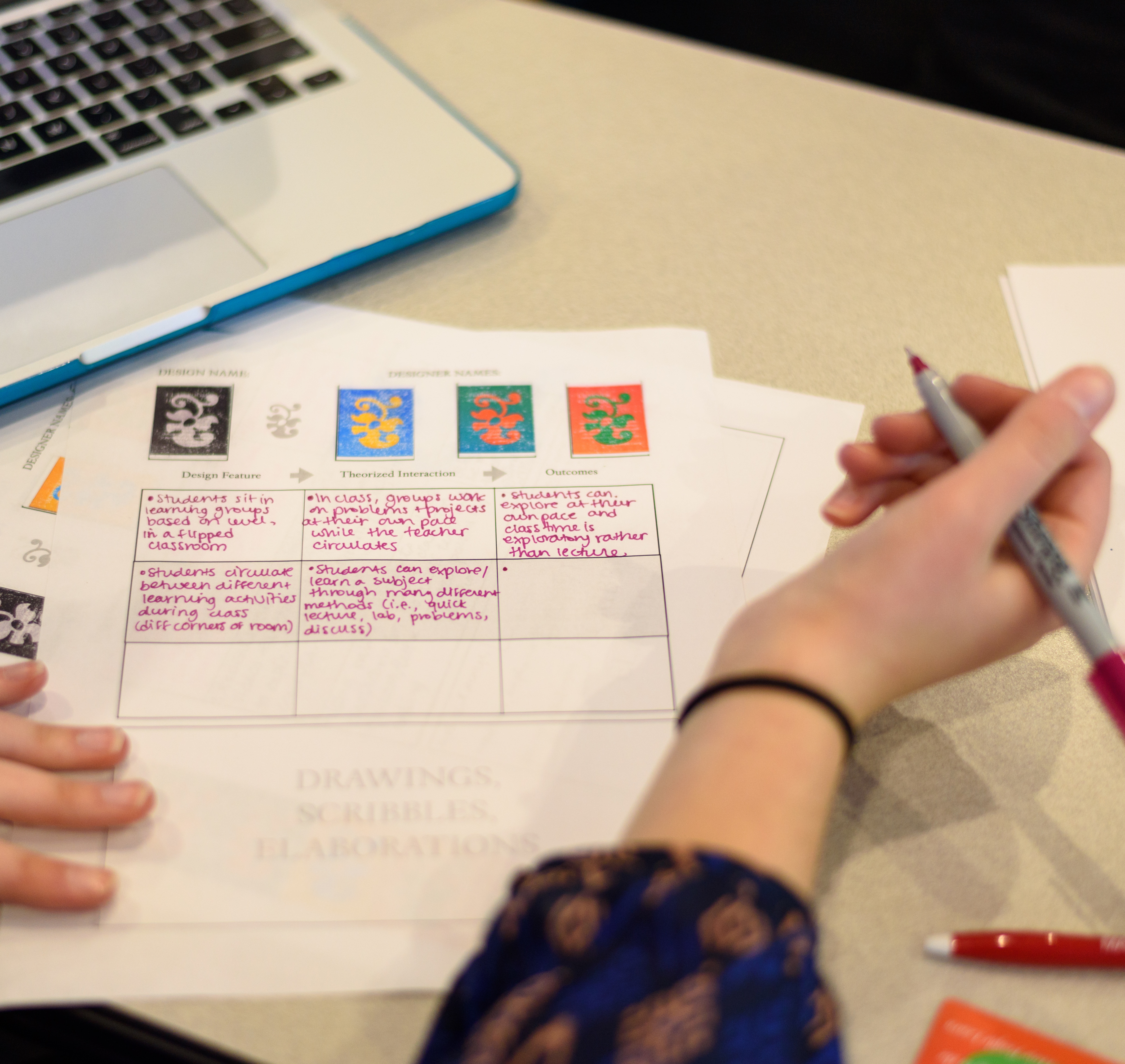
Teacher Licensure
We offer an option for teacher licensure for MIT undergraduates. We also offer a range of other course sequence options.
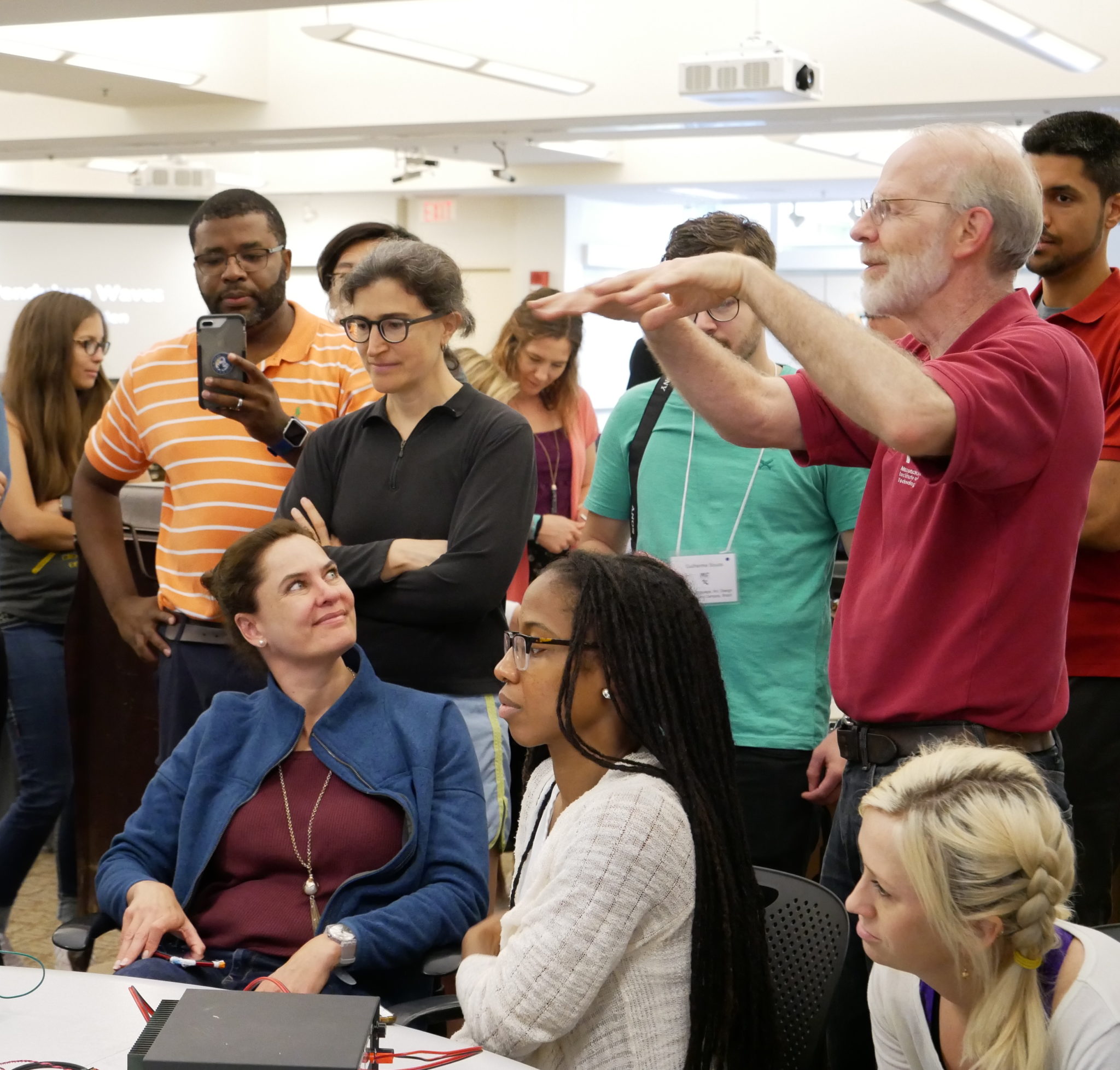
Professional Development
We offer options for professional development for teachers from days to weeks on campus and online.
Latest News
Here is what is going on in The Scheller Teacher Education Program and The Education Arcade.

Maureen Hughes of the STEP Lab Recognized with 2025 MIT Levitan Teaching Award
We are proud to share that Maureen Hughes of the STEP Lab has been named a recipient of the 2025 MIT Levitan Teaching Award. This prestigious recognition honors outstanding teaching and dedication to student learning Read more…
Connect With Us

How to find The Scheller Teacher Education Program and The Education Arcade.
Subscribe to our Newsletter
Contact Info
600 Technology Square, Suite 3021
3rd Floor- take a right out of the elevators and ring the STEP doorbell
Cambridge, MA 02139